Reactions and irritation
Acids and sun sensitivity: introducing an active without a reaction
FDA-reported studies put AHA sun sensitivity at 18 percent after four weeks, lasting a week after you stop. Here is how that shapes a sensible introduction.

Irritation advice is usually vague because the numbers are scarce. For alpha hydroxy acids there are published figures, and they are specific enough to plan around: how much sun sensitivity rises, how long it takes to rise, and how long it persists after you stop.
This guide builds an introduction schedule around those figures, adds the sunscreen numbers FDA publishes, and covers the contamination and storage findings that turn a good product into an irritating one. It describes published findings rather than giving medical guidance, and no product here has been tested by this site.
The three AHA numbers worth memorising
FDA describes conditions under which AHA products have been considered appropriate for consumer use: the AHA concentration is 10 percent or less, the final product has a pH of 3.5 or greater, and the product is either formulated to protect the skin from increased sun sensitivity or carries package directions telling consumers to use daily sun protection.
The study findings behind that are the useful part. After four weeks of AHA application, volunteers' sensitivity to skin reddening produced by UV increased by 18 percent, and their sensitivity to UV-induced cellular damage doubled on average. Those are two different measures moving at two different rates.
The recovery figure completes the picture. One week after the treatments were halted, researchers found no significant differences in UV sensitivity among the various skin sites. So the elevated state builds over weeks and clears in about one week, which is exactly the shape you need to plan a schedule.
| Published figure | Value | What it implies |
|---|---|---|
| Concentration in FDA's described conditions | 10 percent or less | A higher number on a label is outside those conditions |
| Final product pH | 3.5 or greater | A lower pH is outside those conditions |
| UV reddening sensitivity after four weeks | increased 18 percent | Sun protection is part of the product, not an optional extra |
| UV-induced cellular damage sensitivity | doubled on average | The larger of the two measured effects |
| Time to clear after stopping | one week | A week off returns the skin to no significant difference |
These are quoted from FDA's alpha hydroxy acids page, including the figures it reports from studies it funded. They describe AHAs specifically rather than every active ingredient.
A schedule the figures actually support
Because the sensitivity builds over weeks rather than hours, the sensible introduction is slow and single-handed. Introduce one new active at a time and give it four weeks before adding another, which is the same interval over which the measured sensitivity change occurred. Changing two products in one week makes any reaction unattributable.
Because the elevated state clears in about one week, a week off is a meaningful reset rather than a gesture. If skin becomes reactive, stopping for 7 days puts you back to a baseline the studies described as showing no significant difference, and you can restart at a lower frequency with a clean comparison.
Frequency is the variable to move before concentration. Three applications a week for the first four weeks, rising to daily only if nothing has changed, uses the same product and the same label while roughly halving the exposure. That is a change you can make without buying anything.
- Introduce one new active and change nothing else for four weeks
- Start at three applications a week rather than daily
- Apply daily sun protection from the first application, not from the first reaction
- If skin becomes reactive, stop for 7 days before restarting
- Restart at a lower frequency and hold it for another four weeks
- Add the second active only after the first has been stable for four weeks
The sun protection half, in the numbers FDA publishes
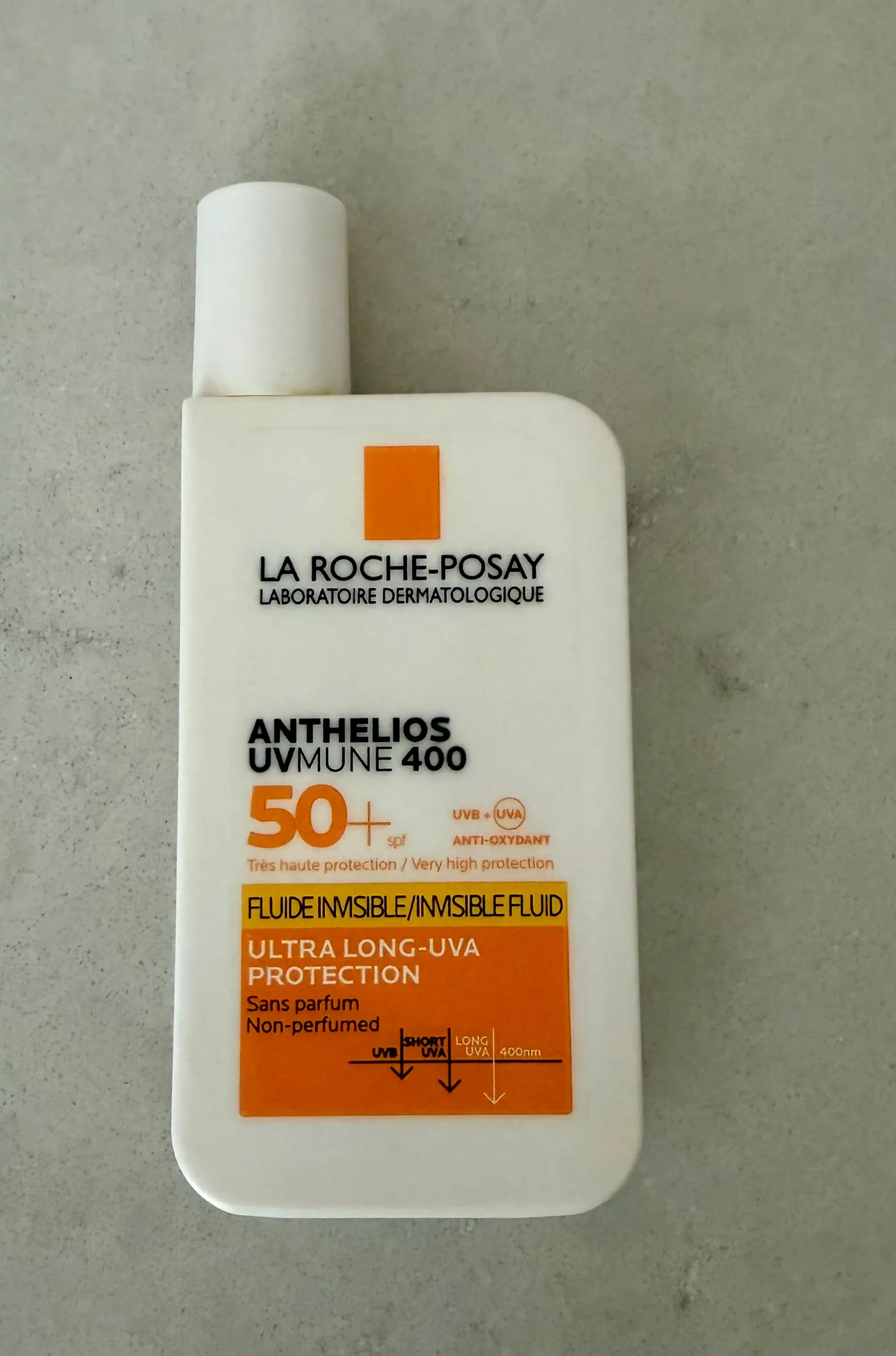
Sunscreen is regulated as a drug rather than a cosmetic, and the published figures are concrete. FDA points to SPF values of 15 or higher, and to broad spectrum labelling, which indicates protection against both UVA and UVB rather than the UVB that SPF alone primarily measures.
Application is where most of the protection is lost. FDA states that an average-sized adult or child needs at least one ounce of sunscreen, about the amount it takes to fill a shot glass, to evenly cover the body from head to toe, and that it should be reapplied at least every two hours, and more often when swimming or sweating.
Water resistance is a labelled claim with a number attached. A sunscreen labelled water resistant must state on its label whether it remains effective for 40 minutes or 80 minutes when swimming or sweating. Those two figures are the only durations the label is permitted to carry, which makes them easy to check.
| Element | Published figure |
|---|---|
| Minimum SPF pointed to | 15 or higher |
| Broad spectrum | Protection against both UVA and UVB |
| Quantity for an average-sized adult | at least one ounce, about a shot glass |
| Reapplication interval | at least every two hours |
| Water resistance options | 40 minutes or 80 minutes |
Against the 18 percent increase in UV reddening sensitivity measured after four weeks of AHA use, the reapplication interval is the element most often skipped and the easiest to fix.
Contamination and storage, the irritation nobody attributes correctly
A product that stopped suiting you may have changed rather than your skin. FDA notes that dipping fingers into a product adds microorganisms such as bacteria and fungi, that sharing makeup may mean sharing an infection, and that leaving products where they are exposed to heat, such as in a hot car, can make preservatives break down.
Because there are no U.S. laws or regulations requiring cosmetics to carry expiration dates, there is often no printed date to check against. The clearest published interval for any category is for eye-area products: manufacturers usually recommend discarding mascara two to four months after purchase, and eye-area cosmetics have the shortest shelf lives.
The practical consequence is arithmetic from the cost-per-use guide on this site. A 100 mL jar used at 0.5 mL a day takes 200 days to finish, over 6 months of being opened and touched twice daily. A smaller container finished in 50 days is a different product at the end of its life, and that difference is worth more than its slightly higher price per millilitre.
Before you buy
- Introduce one new active and hold everything else constant for four weeks
- Begin at three applications a week rather than daily
- Apply daily sun protection from the first application onwards
- Use at least one ounce of sunscreen for full body coverage and reapply at least every two hours
- Check a water-resistant sunscreen for the 40 minute or 80 minute statement
- Stop for 7 days if skin becomes reactive, then restart at a lower frequency
- Avoid dipping fingers into jars and keep products out of hot cars
- Choose a container size you will finish rather than the lowest price per millilitre
Questions readers ask
- How long before I know whether an active suits me?
- Four weeks is the interval the published AHA measurements used, and it is a reasonable minimum to hold one change for. Introducing a second product inside that window makes any reaction unattributable, which is the real cost of moving fast. Hold one variable for four weeks, then change one thing.
- If my skin reacts, how long should I stop for?
- One week is the published recovery figure for AHA photosensitivity: researchers found no significant differences in UV sensitivity among the various skin sites one week after treatments were halted. A 7-day pause therefore returns you to a described baseline rather than to a guess, and restarting at a lower frequency gives a clean comparison.
- Does a lower pH mean a stronger, better acid product?
- FDA's described conditions for consumer use are an AHA concentration of 10 percent or less with a final product pH of 3.5 or greater, so a lower pH sits outside those conditions rather than above them. Frequency is the safer variable to change, and three applications a week is roughly half the exposure of daily use.
- Is sunscreen really necessary with a low-strength acid?
- The measured effect was an 18 percent increase in sensitivity to UV reddening after four weeks of AHA use, with sensitivity to UV-induced cellular damage doubling on average. FDA's described conditions include either a formulation that protects against increased sun sensitivity or directions telling consumers to use daily sun protection, so it is part of the product's own conditions of use.
- Can an old product cause irritation that the formula would not?
- Yes, and the mechanism is published. Dipping fingers in adds bacteria and fungi, sharing transfers infection, and heat makes preservatives break down. With no required expiration date on cosmetics, the practical control is container size: a 50 mL jar finished in 50 days spends far less time open than a 100 mL jar finished in 200 days.
Sources
- U.S. Food and Drug Administration — Alpha Hydroxy Acids: 10 percent concentration, pH 3.5, the 18 percent UV sensitivity increase, the doubling of UV-induced cellular damage and the one-week recovery finding — checked 2026-11-03
- U.S. Food and Drug Administration — Sunscreen: SPF, broad spectrum, quantity, reapplication interval and water resistance labelling — checked 2026-11-03
- U.S. Food and Drug Administration — Shelf Life and Expiration Dating of Cosmetics: contamination from handling, heat and preservative breakdown, and the mascara discard interval — checked 2026-11-03
Some links on this site can earn us a commission. That does not change which product a guide recommends, and it adds nothing to your price. Advertising is not enabled on this site yet. When it is, ads will be labelled and kept visually separate from the guides.